AI Search vs. SEO Fundamentals: Adapting to the New Landscape
Artificial intelligence is transforming search — from Google’s Search Generative Experience (SGE) and Bing’s chat interface to ChatGPT’s new Search mode. Yet despite these sweeping changes, one truth remains: SEO isn’t dead.
As SEO thought leader Lily Ray explains, “AI search is booming, but SEO is still not dead.” Why? Because the same websites that perform well under Google’s traditional ranking systems are the ones feeding these new AI engines with trusted, high-quality data.
In this new landscape, businesses must learn how to balance innovation with foundation — blending AI-era adaptability with SEO fundamentals that have stood the test of time.
1. What Is AI Search (and Why It Matters Now)
AI-driven search tools like Google SGE, Bing Chat, and ChatGPT Search use generative models to synthesise information from across the web, presenting users with conversational answers instead of long lists of links.
These systems don’t “replace” SEO — they depend on it. They pull from authoritative, well-structured websites that already demonstrate strong E-E-A-T (Experience, Expertise, Authoritativeness, and Trustworthiness).
The rise of Answer Engine Optimisation (AEO) — optimising your content to appear in AI-generated answers or chatbot citations — represents the next evolution of search visibility.
2. How AI Search Works with (Not Against) SEO
AI search doesn’t eliminate SEO — it redefines how success looks.
- Crawlability and clarity still matter. AI systems index and interpret content just as Google does.
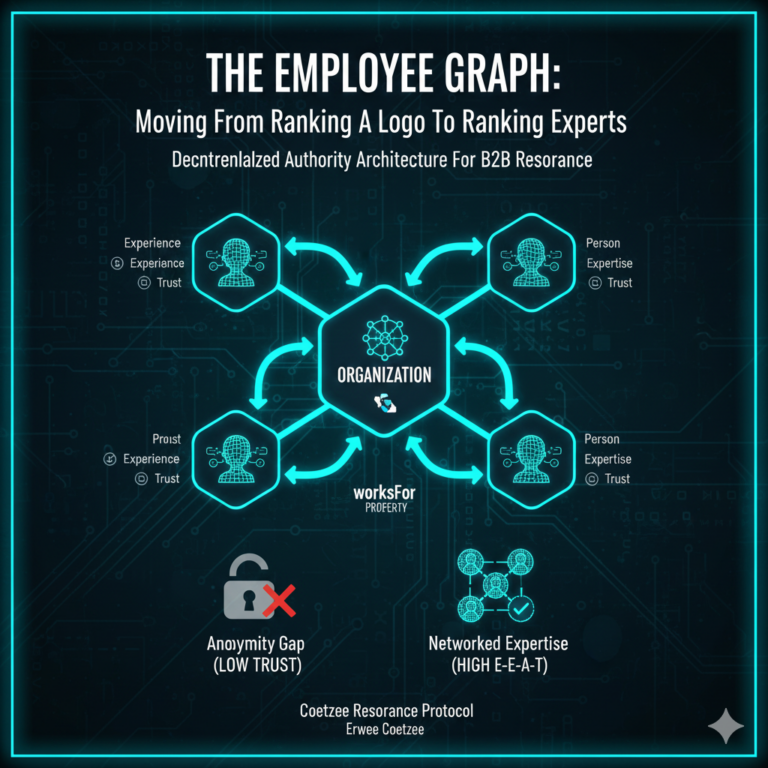
- Authority remains essential. AI prefers content from reputable, transparent sources with identifiable authors.
- Relevance rules. Clear topical focus and well-structured writing increase the odds of being summarised or cited by AI models.
When Google generates an AI Overview or ChatGPT answers a query, it draws from trusted sources — often those that rank well organically. A site with solid on-page SEO and reliable backlinks is far more likely to appear within these AI-driven responses.
3. SEO Fundamentals That Still Power AI Discovery
Behind every AI summary is a strong technical foundation. These essentials haven’t changed — they’ve simply become more important:
- High-quality, helpful content
Create content that genuinely answers user questions. Avoid padding, repetition, and vague advice. - Structured data and schema markup
Add schema for FAQs, reviews, products, and articles. This helps search engines and AI systems interpret meaning accurately. - Mobile performance and Core Web Vitals
Fast, stable pages improve both ranking and crawlability. - Internal linking and topical clusters
Interconnected pages help AI understand context and authority within your niche. - E-E-A-T signals
Use clear author bios, credentials, and citations to establish real expertise and accountability.
Strong fundamentals ensure your content is both discoverable and trustworthy, which are prerequisites for AI-driven visibility.
4. What Is Answer Engine Optimisation (AEO)?
Answer Engine Optimisation is the process of tailoring content for inclusion in AI overviews, featured snippets, and chatbot answers.
Key AEO strategies include:
- Target conversational intent – Optimise for natural questions users actually ask.
- Provide concise answers – Use short summaries, bullet points, and clear definitions.
- Use structured data – Mark up FAQs and key facts for machine readability.
- Build topical authority – Cover a subject comprehensively across multiple related pages.
- Maintain authenticity – Avoid AI-only content; models favour trusted, human-edited expertise.
As Kevin Indig notes, “AI isn’t killing SEO — it’s rewarding those who have earned authority.”
5. Preparing Your Website for the AI Search Era
To stay ahead, businesses should integrate AI-search readiness into their broader SEO strategy:
- Audit your content regularly for clarity, originality, and genuine value.
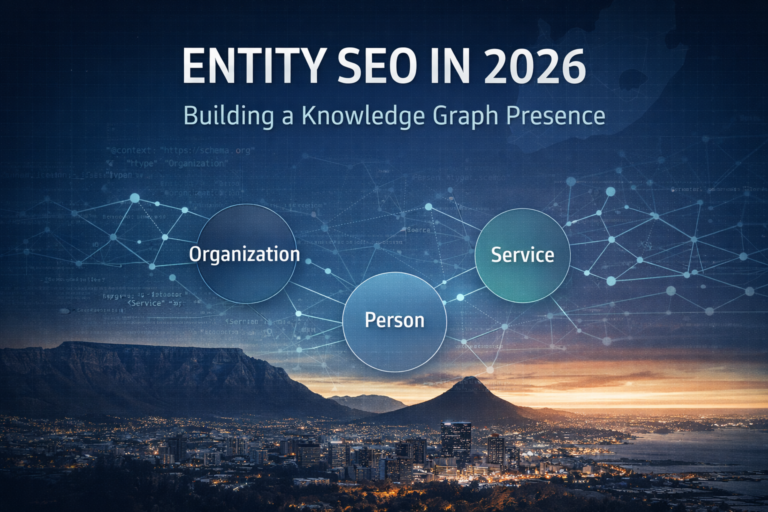
- Add schema markup for entities like services, reviews, and FAQs.
- Refresh About and Author pages to highlight real-world expertise.
- Create content clusters around core themes to reinforce topical relevance.
- Use analytics tools to track new metrics such as AI Overview impressions and featured snippet frequency.
To optimise your website for both traditional and AI-driven search, explore our On-Page & Technical SEO services — combining foundational excellence with future-ready strategies.
6. Why Core SEO Still Wins the Long Game
Generative AI may change how results appear, but not what qualifies as valuable content.
AI assistants can’t invent credible information — they rely on well-optimised, trustworthy sources to answer questions accurately.
That means the same principles that powered SEO success in 2015 and 2020 — quality, structure, expertise — now underpin AI discovery.
The difference is that search engines are getting better at identifying and rewarding genuine value rather than superficial optimisation.
7. The Future: Blending Human Expertise and AI Adaptation
The best SEO strategies of 2025 will merge human insight with machine understanding.
Businesses should:
- Embrace AI as an amplification tool, not a shortcut.
- Continue creating content grounded in authentic expertise.
- Optimise for both traditional search engines and AI interfaces.
Those who do will maintain visibility whether their customers search through Google, Bing, or a chatbot.
8. Conclusion – Adapt, Don’t Abandon
AI is reshaping search, but it’s not replacing the fundamentals.
Crawlability, content depth, and trust signals remain the cornerstones of visibility.
The goal isn’t to abandon SEO for AI — it’s to adapt SEO for AI.
Brands that master this balance will dominate the next decade of discovery.
Ready to future-proof your visibility?
Explore our On-Page & Technical SEO services to align traditional optimisation with the demands of AI-driven search.