Beyond Google: Building Your Brand’s Authority Across the Web
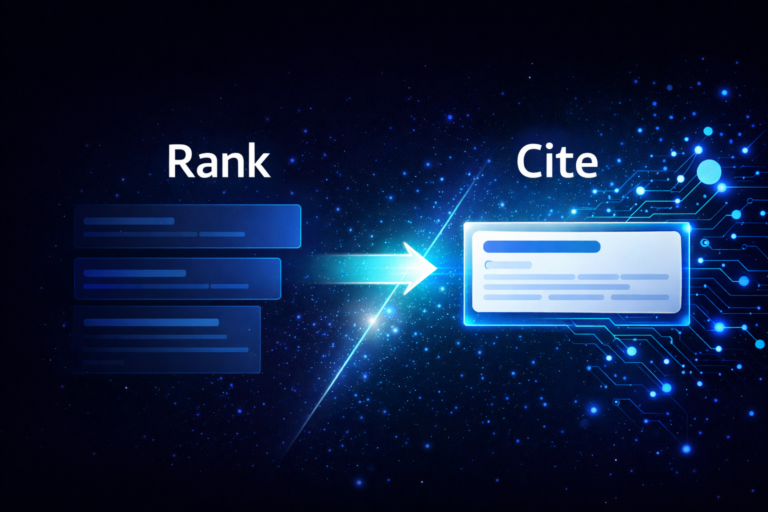
In 2025, SEO has become far more than ranking a few pages on Google. Search engines and AI models now evaluate a brand’s entire online footprint — from your website to social channels, media mentions, and thought-leadership appearances.
In Lily Ray’s words, modern SEO is “smart, holistic marketing” — where visibility across the web builds both E-E-A-T (Experience, Expertise, Authoritativeness, and Trustworthiness) and the kind of recognition that algorithms increasingly reward.
So how do you prove your expertise across the broader digital landscape? By ensuring your brand shows up — credibly and consistently — wherever your audience (and Google) looks for answers.
1. Why Authority No Longer Lives Only On-Site
In the age of AI search, information is drawn not just from your website but from multiple online sources.
Large Language Models (LLMs) — like Google’s Search Generative Experience or ChatGPT — learn from platforms such as YouTube, Reddit, Wikipedia, Quora, and industry publications.
That means your brand’s authority isn’t determined solely by your on-page SEO or backlinks; it’s built through visibility and credibility across the wider web. A well-written LinkedIn article, a podcast interview, or a citation in a respected publication can all feed the signals that define you as a trusted source.
When users — and algorithms — see your brand consistently associated with valuable insights across multiple platforms, your authority deepens far beyond what traditional SEO can achieve.
2. Expanding Your Digital Footprint
Building authority across the web doesn’t require a massive marketing budget. It requires strategic visibility. Here are the most effective ways to expand your brand’s presence:
- Post Expert Insights on LinkedIn
Regularly share practical advice, data-driven insights, and thought-leadership commentary within your niche. Encourage engagement from peers to increase visibility within professional circles. - Join Q&A and Community Platforms
Participate meaningfully on platforms like Quora, Reddit, or niche industry forums. Answering real user questions builds credibility and surfaces your name or brand in high-trust discussions. - Create or Collaborate on YouTube Content
Educational video content — tutorials, interviews, or explainers — not only improves visibility but strengthens your brand’s experience signal under E-E-A-T. - Earn Mentions and Features
Appear in industry publications, guest posts, or news commentary. Even nofollow or unlinked brand mentions can influence your perceived authority when repeated across reputable sources. - Be a Guest on Podcasts or Webinars
Podcasts remain a growing authority channel. Guesting on industry-relevant shows reinforces expertise and creates content that can be reshared across multiple platforms.
3. Thought Leadership Meets Digital PR
Search engines have grown sophisticated at detecting human expertise and trust signals. When your name or brand is consistently associated with credible insights, it tells algorithms — and audiences — that you’re an established voice in your field.
This is where thought leadership and digital PR converge.
- Publish original insights, case studies, or research that others reference.
- Contribute expert commentary to journalists via platforms like HARO or Qwoted.
- Build relationships with editors and podcast hosts who value consistent, credible guests.
Over time, this creates a halo effect: your brand becomes the go-to source for information in your niche. Search engines notice these signals, connecting the dots between your content, mentions, and authority.
4. How Google and AI Evaluate Brand Authority
Modern algorithms no longer view your site in isolation. Instead, they build what’s often called a semantic brand graph — a web of entities, relationships, and mentions that define your credibility across the internet.
When your brand appears across multiple contexts — a YouTube tutorial, a media quote, a LinkedIn article, and your own website — search engines see a cohesive picture of expertise and trustworthiness.
Likewise, LLMs draw answers from diversified, high-trust sources. If your insights appear on reputable platforms, you’re more likely to be referenced (even indirectly) in AI-generated search summaries and assistant responses.
In essence, the web sees you the way the web represents you — so make sure your authority lives everywhere that matters.
5. Practical Steps to Strengthen Your Off-Site Presence
Building authority beyond your website is a gradual, deliberate process. Start with these steps:
- Claim and Optimise Brand Profiles
Verify and polish your business listings on Google, LinkedIn, YouTube, and relevant directories. Ensure consistent branding and messaging everywhere. - Establish Author Entities
Link author bios, bylines, and schema markup to real-world expertise — qualifications, achievements, and publications that reinforce trust. - Monitor Mentions and Reputation
Use tools like Ahrefs Brand Alerts, Google Alerts, or Mention to track where and how your brand is referenced online. - Engage, Don’t Just Broadcast
Respond to comments, participate in discussions, and show genuine presence. Authority grows through relationships, not just content output. - Measure Impact
Track traffic, brand searches, and referral visibility from off-site platforms. Over time, you’ll see a measurable lift in organic trust and engagement.
6. The Future: SEO as Holistic Brand Marketing
The boundaries between SEO, PR, and brand strategy have all but disappeared.
In the new search landscape, authority isn’t earned by links alone — it’s built through consistent expertise and engagement across every relevant corner of the web.
As AI search continues to evolve, the most trusted brands will be those that communicate authentic expertise everywhere — in articles, videos, interviews, and communities.
Final Thought
Your brand’s authority is no longer confined to Google rankings — it’s the sum of every credible impression you make online. By thinking beyond your domain, you create an interconnected reputation that both people and algorithms recognise as trustworthy and valuable.
Looking to strengthen your brand authority beyond your website?
Explore our Off-Page SEO and Content Marketing services to grow your reach across the web.