GEO Playbook for South African SMEs: How to Get Cited in Perplexity, ChatGPT, and Google AI Overviews Without a Big Budget
In 2026 South Africa, many SMEs watch traffic evaporate as customers ask ChatGPT, Perplexity, or Google Gemini for recommendations instead of Googling. A local plumbing business in Pretoria or a boutique guesthouse in Stellenbosch can lose visibility even if it ranks well traditionally. AI summaries often answer questions directly, sending zero clicks.0
The good news? You don’t need a massive budget or enterprise tools to fight back. Generative Engine Optimization (GEO) helps your business get cited and recommended in AI responses. This practical playbook shows South African SMEs how to implement it with free or low-cost methods tailored to local realities like load shedding, mobile-first users, data costs, and multilingual markets.
What Is GEO and Why It Matters for SA SMEs in 2026
Traditional SEO focuses on ranking for clicks. GEO (and its close cousin Answer Engine Optimization or AEO) optimizes your content so AI engines understand, trust, and cite it as a reliable source.
AI tools synthesize answers from multiple sources. If your site provides clear, structured, authoritative information, you appear in those summaries — driving brand awareness, direct visits, and inquiries even in a zero-click world.
South African context:
- Mobile dominates (over 97% of connections are broadband, with high data sensitivity).38
- Load shedding demands fast, lightweight sites.
- Multilingual users (English + Afrikaans, isiZulu, etc.) and strong local intent (e.g., “best electrician Johannesburg load shedding ready”).
- Many SMEs operate on tight budgets but can compete effectively with smart, entity-focused optimization.
Legacy tactics like keyword stuffing or generic blog posts no longer cut it. AI favors clarity, facts, structure, and authority.
Core GEO Principles for Resource-Limited SMEs
AI engines prioritize:
- Extractability — Content easy to quote or summarize.
- Authority & E-E-A-T — Experience, Expertise, Authoritativeness, Trustworthiness.
- Structure — Headings, lists, schemas, and data.
- Freshness — Updated, relevant information.
- Entity strength — Clear identification of your brand, location, offerings, and relationships.
You don’t need fancy software. Focus on what AI can easily read and trust.
Practical GEO Playbook: Step-by-Step Tactics
1. Technical Foundations (Free & Essential)
- Allow AI Crawlers: Update your robots.txt to permit bots like GPTBot, Google-Extended, PerplexityBot, and others. Blocking them means AI can’t see you.1
- Core Web Vitals & Speed: Use lightweight themes, compress images, enable browser caching. On load shedding days, every millisecond counts for mobile users on spotty connections.
- Mobile-First Design: Ensure your site works flawlessly on phones — the primary device for most SA users.
Free tools: Google PageSpeed Insights, Google Search Console (set up today if you haven’t).
2. Build Strong Local Entities
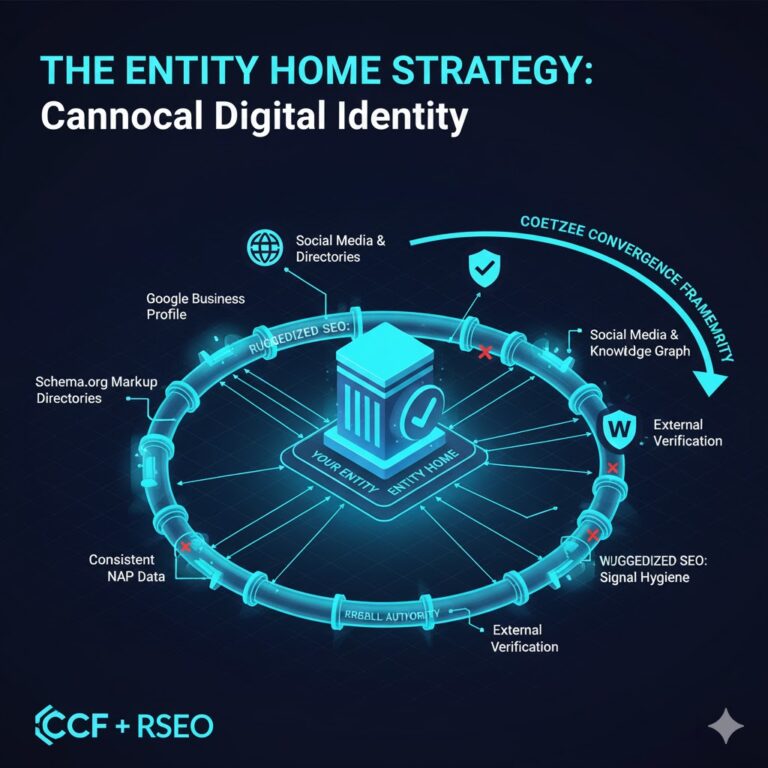
Help AI understand exactly who and where you are:
- Claim and fully optimize your Google Business Profile (photos, posts, reviews, services, attributes like “wheelchair accessible” or “load shedding backup”).
- Create consistent NAP (Name, Address, Phone) across directories (e.g., HelloPeter, local chambers).
- Add schema markup for LocalBusiness, Organization, FAQ, HowTo, and Review.
Free schema generators: Merkle Schema Markup Generator, Google Structured Data Markup Helper, or Schema.org validator.50
Example JSON-LD snippet for a Cape Town coffee shop (add via plugin or code):
{
“@context”: “https://schema.org”,
“@type”: “CafeOrCoffeeShop”,
“name”: “Your Cafe Name”,
“address”: {
“@type”: “PostalAddress”,
“streetAddress”: “…”,
“addressLocality”: “Cape Town”,
“addressRegion”: “Western Cape”,
“postalCode”: “…”,
“addressCountry”: “ZA”
}
}
3. Create Citation-Ready Content
Write content AI loves to quote:
- Answer-First Structure: Put the direct answer in the first 1-2 sentences or a TL;DR box.
- Use Clear Headings as Questions: E.g., “How Does Load Shedding Affect My Plumbing Business in Gauteng?”
- Add Statistics & Data: Include specific, local numbers (e.g., “Mobile internet users in SA reached X in 2025…”). Back claims with sources.8
- Lists, Tables, Steps: AI extracts these easily.
- Standalone Quotes: Write crisp, quotable sentences.
- Author Bios: Add credible author details (e.g., “By Sipho Nkosi, 12 years helping Johannesburg retailers with digital visibility”).
Content types that perform well:
- Comprehensive guides with SA examples.
- Comparison tables (e.g., “Solar vs Generator for Small Shops”).
- FAQ sections.
- Original mini-research or surveys (even small ones from your customer base).
4. Low-Budget Tools & Free Methods
- Testing: Manually query ChatGPT, Perplexity, and Google with your target questions. Note which sources get cited.
- Content Optimization: Free tiers of tools like Detailed SEO Chrome extension or basic Surfer/Frase alternatives.
- Schema & Validation: Google Rich Results Test + Schema.org Validator.
- Monitoring: Google Analytics 4 for traffic sources + manual AI query tracking (spreadsheet works fine initially).
- Multilingual Signals: Create key pages in English with Afrikaans/isiZulu sections or hreflang tags where practical.
5. SA-Specific Implementation Tips
- Load Shedding Resilience: Prioritize static site elements, AMP where suitable, and offline-friendly info (e.g., WhatsApp Business integration).
- Local Intent: Target queries mixing location + problem + context (e.g., “affordable web design Durban SMEs 2026”).
- Cultural Nuances: Use natural language that resonates locally. Include examples relevant to townships, load shedding, or seasonal tourism.
- Data Costs: Keep content scannable so users get value quickly without high data usage.
GEO Audit Checklist (Copy & Use)
- AI crawlers allowed in robots.txt
- Google Business Profile 100% complete & active
- Schema markup on key pages (LocalBusiness + FAQ/HowTo)
- Every page has answer-first structure
- At least 3-5 statistics per 1,000 words with sources
- Clear author bio with credentials
- Content updated in last 3-6 months
- Fast mobile loading (<3s)
- Consistent entity mentions across site
- Tested in Perplexity/ChatGPT for target queries
Hypothetical SA Example: The Plumbing SME
A Pretoria-based plumbing company created a guide: “How to Prepare Your Home Plumbing for Load Shedding in Gauteng 2026.”
They added:
- Step-by-step instructions with schema.
- Local stats on power outages.
- Before/after photos.
- FAQ with direct answers.
- Author bio from the owner (15+ years experience).
Within months, the page appeared in AI responses for related queries, driving calls and site visits despite fewer traditional clicks.
Measuring Success Without Expensive Tools
Track:
- AI citation rate (manual queries weekly).
- Brand mentions in AI answers.
- Direct traffic and branded searches.
- Phone calls/inquiries (Google Business Profile insights help).
- Conversions from organic traffic.
Success looks like more qualified leads, not just rankings.
Conclusion: Start Small, Compound Fast
GEO levels the playing field for South African SMEs. You don’t need a big agency budget — consistent execution on structure, entities, authority, and freshness delivers results.
The shift to AI search is accelerating. Businesses that adapt now will be the ones AI recommends in 2027 and beyond.
At SEO Gurus, we help sophisticated and growing South African businesses build sovereign, AI-resilient digital presence. Whether you need a full GEO audit, schema implementation, or strategic content systems, our team can accelerate your results.
Ready to get cited by AI? Contact us for a no-obligation GEO readiness check tailored to your business.
Related reading:
- Sovereign Stack: Recapturing Value in the AI Era
- Resonance Audits for B2B Authority